Coeliac disease is not an allergy or a mild intolerance: it is an autoimmune disease. When a person with coeliac disease eats gluten, the protein found in wheat, barley and rye, their immune system damages the lining of the small intestine, which is responsible for absorbing nutrients. Today the only treatment is a strict, lifelong gluten-free diet.
Much more common than once thought
For decades it was considered a rare disease. Screening studies over the last twenty years have changed that view: it is now estimated to affect around 1% of the world’s population, with variations by region. In Europe, diagnoses keep rising, partly because it is increasingly well detected.
Why so many cases go undiagnosed
Only a minority have the classic symptoms: diarrhoea, weight loss or abdominal pain. Many people have mild, non-specific symptoms or none at all for years, which is why diagnosis often comes late.
The situation in Spain
It is estimated that between 1% and 2% of the Spanish population has coeliac disease, that is, between 450,000 and 900,000 people. According to the Federation of Coeliac Associations of Spain (FACE), around 80% do not know it. FACE also highlights the impact on daily life: the difficulty of eating out safely and the extra cost of a gluten-free diet, for which there is no specific public support in Spain.
Eating gluten-free at home, without missing out
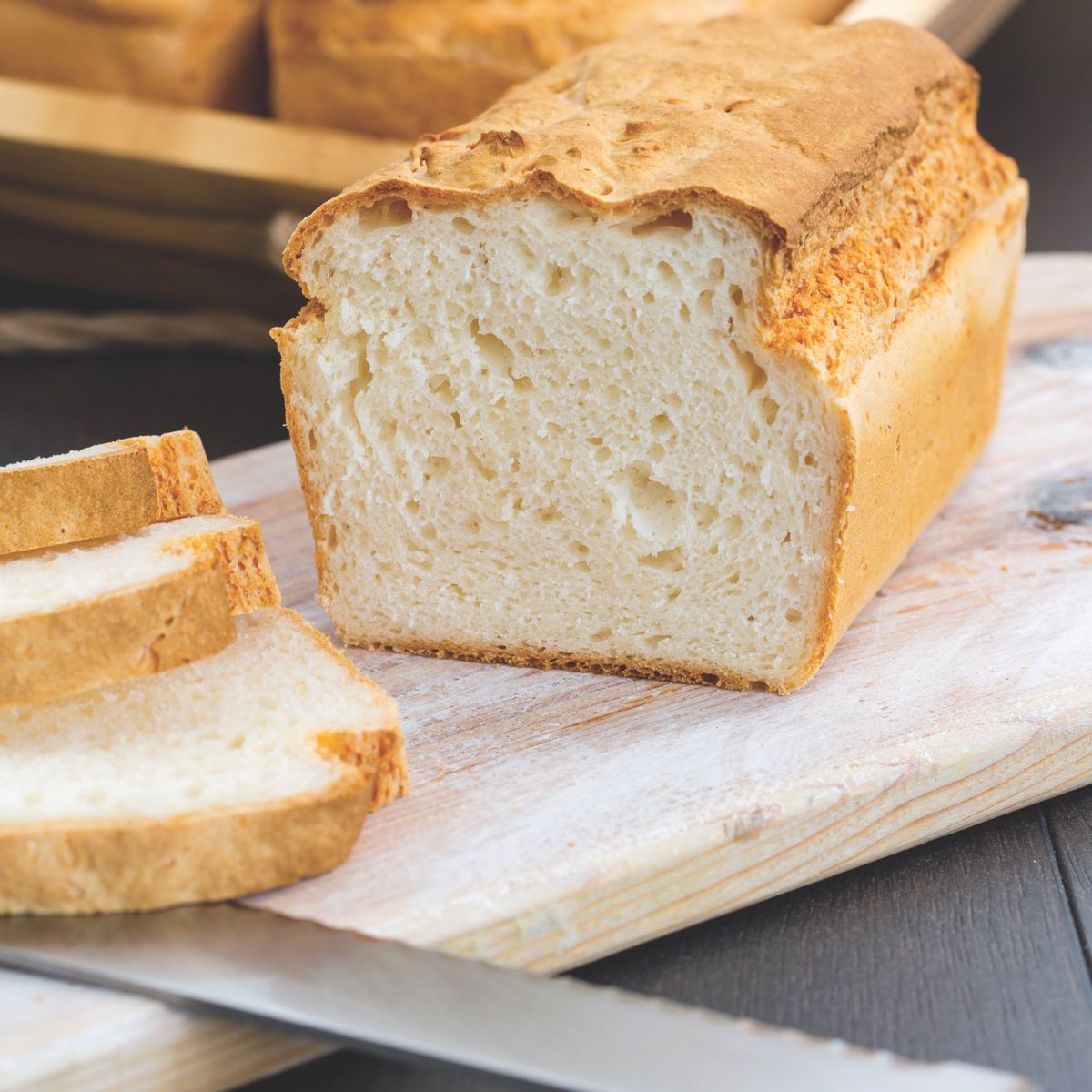
Making your own gluten-free bread, pizza or bakes is a way to eat well and control what goes on your plate. That is why we offer La Sin Gluten mixes for bread, pizza, muffins, cookies and brownies, as well as their ready-to-eat brownie.
If you suspect you may have coeliac disease, do not cut gluten out of your diet before seeing your doctor: doing so can affect the diagnostic tests.