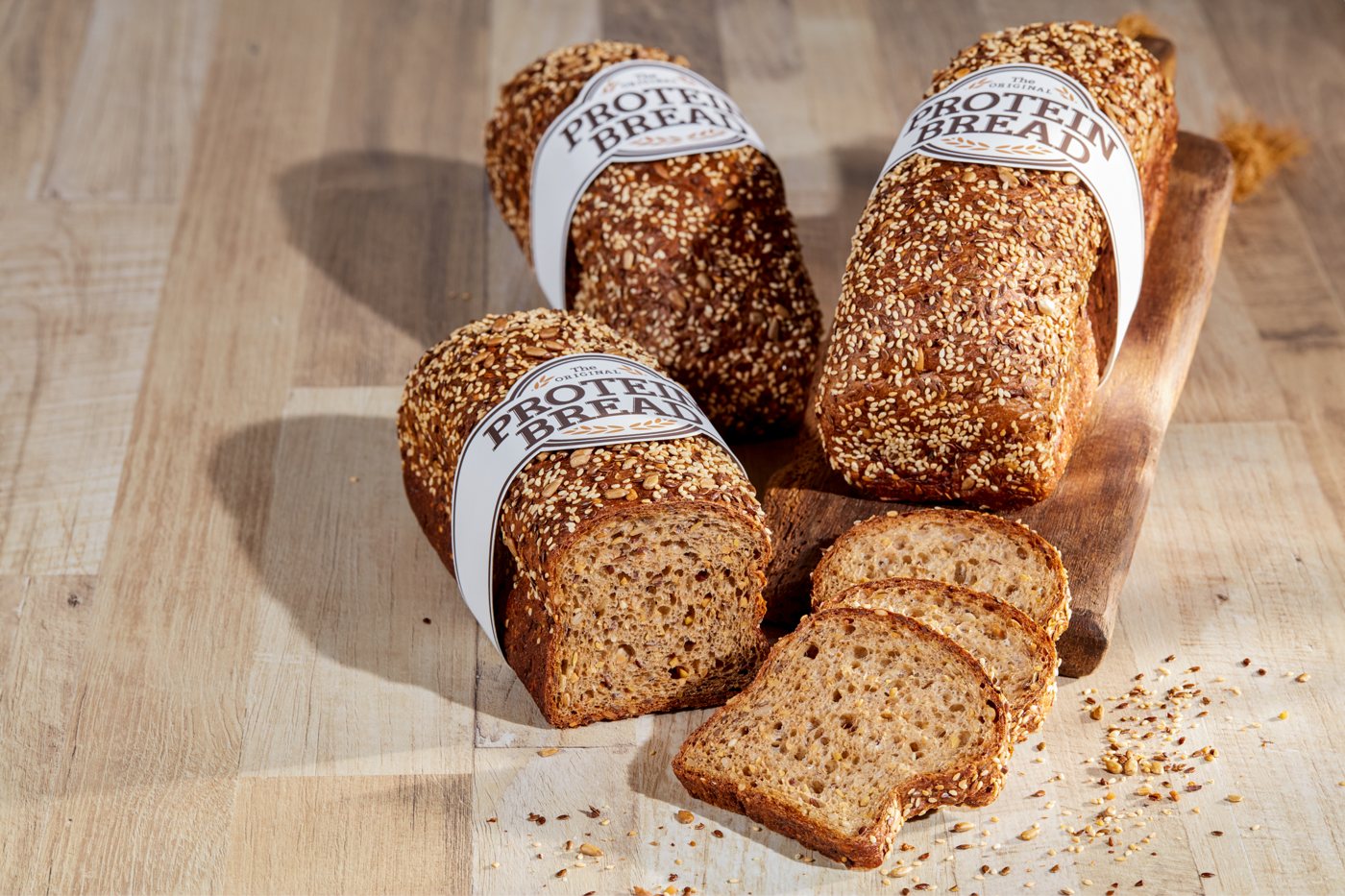
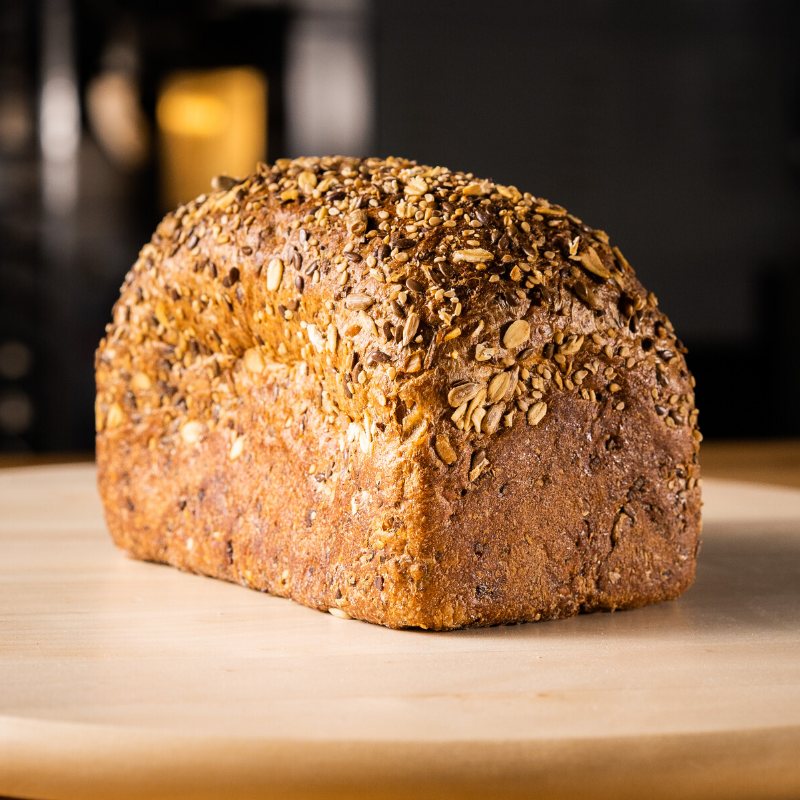
The Original Protein Bread was born in Germany, inspired by old recipes for low-carbohydrate, highly nutritious bread. The recipe combines cereal and legume proteins, flax, sunflower and sesame seeds, wholemeal flours and fibre. The result is a bread with 28 g of protein, 15 g of fibre and 5 g of carbohydrate per 100 g, with the colour, aroma and texture of a good seeded loaf.
What the University of Sydney measured
The Human Nutrition Unit at the University of Sydney (Sydney University Glycemic Index Research Service, SUGiRS) analysed how blood glucose changes after eating The Original Protein Bread. The average value obtained was a glycaemic index (GI) of 24, which places it in the low-GI category, ranging from 0 to 55.
For comparison, white bread is usually above 70, in the high-GI category. A low GI means that the carbohydrates in a food are absorbed more gradually, so blood glucose rises in a more moderate and sustained way.
Why its GI is so low
There are two reasons. The first is that it contains very little carbohydrate: 5 g per 100 g. The second is that what comes with it, protein and fibre, slows digestion and softens the rise in glucose. It is the same reason why a slice of white toast has a different effect when eaten on its own or with olive oil, cheese or egg.
How to include it in your day
- At breakfast: two slices with avocado and egg, or with fresh cheese and tomato.
- At lunch: as a base for sandwiches and open toasts.
- As a snack: our Low Carb Toasts are made from this same bread.
The same recipe is used in our IG24 range, with IG24 Bread and IG24 Rolls, and in the Protein Bread Mix for baking it at home.
If you have diabetes or another condition that requires you to manage your blood glucose, ask your doctor or dietitian how to include any food in your eating plan.