When we eat foods containing carbohydrates, our blood glucose rises. But not all of them do it in the same way: some raise it quickly and sharply, others little by little. The glycaemic index (GI) measures this difference on a scale from 0 to 100, using pure glucose, which scores 100, as the reference.
The three categories
- Low GI (55 or less): pulses, most fruit, vegetables, natural yoghurt, oat flakes.
- Medium GI (56 to 69): brown rice, pineapple, sweet potato, popcorn.
- High GI (70 or more): white bread, refined breakfast cereals, chips, pastries made with refined flour.
Why it matters
A high-GI food releases its glucose very quickly. This causes a spike followed by an equally quick drop, and hunger often returns sooner. A low-GI food releases it gradually, which helps keep energy levels steadier between meals.
This does not mean that any foods are forbidden. The amount and the whole plate matter as much as the GI of each ingredient on its own. But knowing this scale helps you make better choices, especially if you need to watch your blood glucose.
What changes the GI of a food
- Processing: instant oats have a higher GI than jumbo oat flakes, because they are digested faster.
- The flour: the more refined it is, the higher the GI of the bread tends to be.
- What it is eaten with: protein, fibre and fat slow absorption.
- Cooking and ripeness: overcooked pasta or very ripe bananas have a higher GI.
Three simple changes
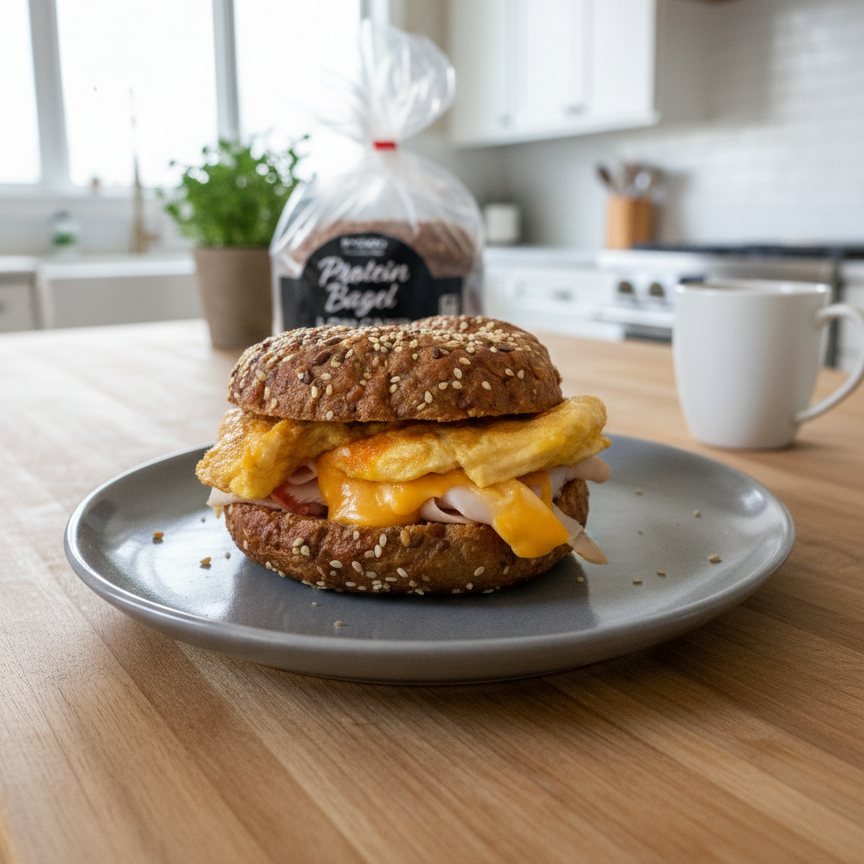
- Eat bread with protein: egg, cheese, fish or pulses.
- Choose breads with more fibre and protein instead of white bread.
- Start your meal with vegetables or salad.
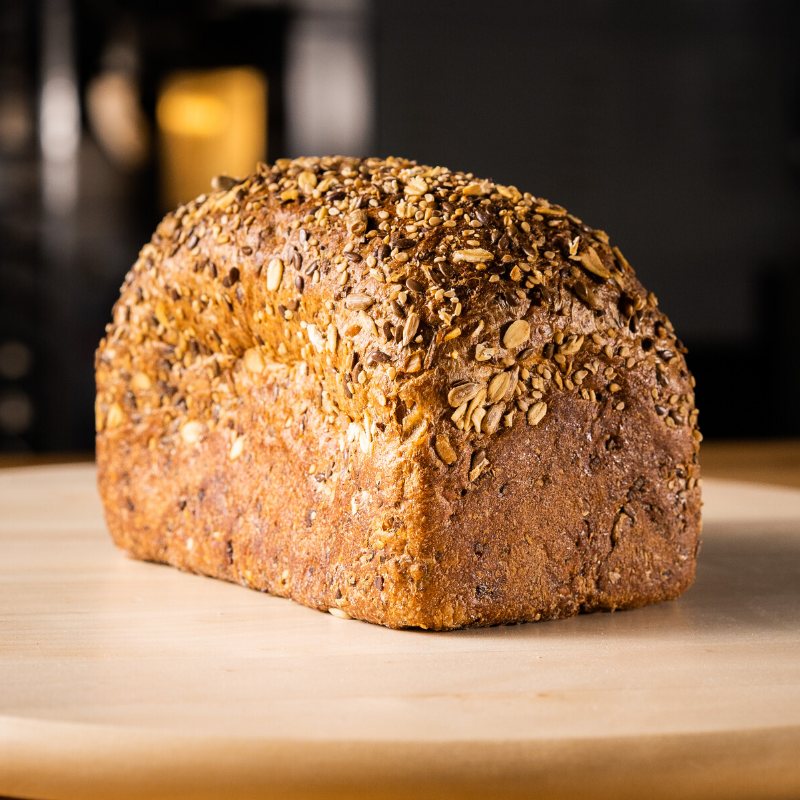
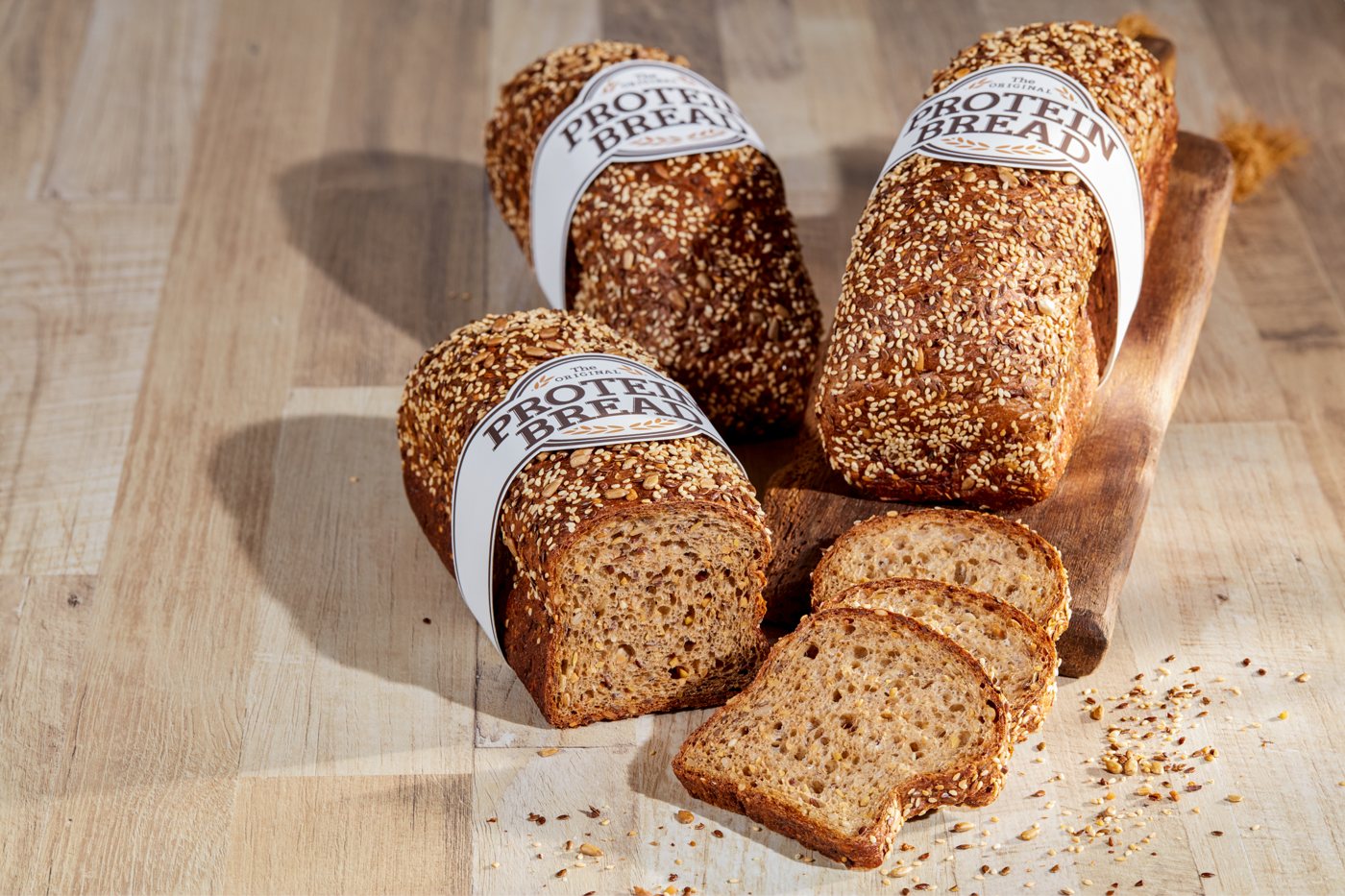
Following this idea, we created our IG24 range: bread and rolls with plant proteins, seeds and fibre, which obtained an average glycaemic index of 24 in a University of Sydney study.