Together with carbohydrates and fats, protein is one of the three macronutrients we need in the largest amounts. But its main role is not to provide quick energy; it is to build and maintain: it is part of our muscles, skin, enzymes, antibodies and many hormones.
That is why a lack of protein is not noticed from one day to the next, but over time: less muscle mass, slower recovery or more hunger between meals.
How much protein you need
The European Food Safety Authority (EFSA) sets the reference intake for a healthy adult at 0.83 g of protein per kilo of body weight per day, about 58 g for a person weighing 70 kg. EFSA itself notes that active people regularly and safely consume up to twice that amount as part of a varied diet.
Spreading it out also counts
Many people eat little protein at breakfast and most of it at dinner. Spreading it across three meals helps the body make better use of it, which is especially helpful if you exercise, if you are an older adult or if you want to maintain your muscle mass as you get older.
Easy ways to add protein
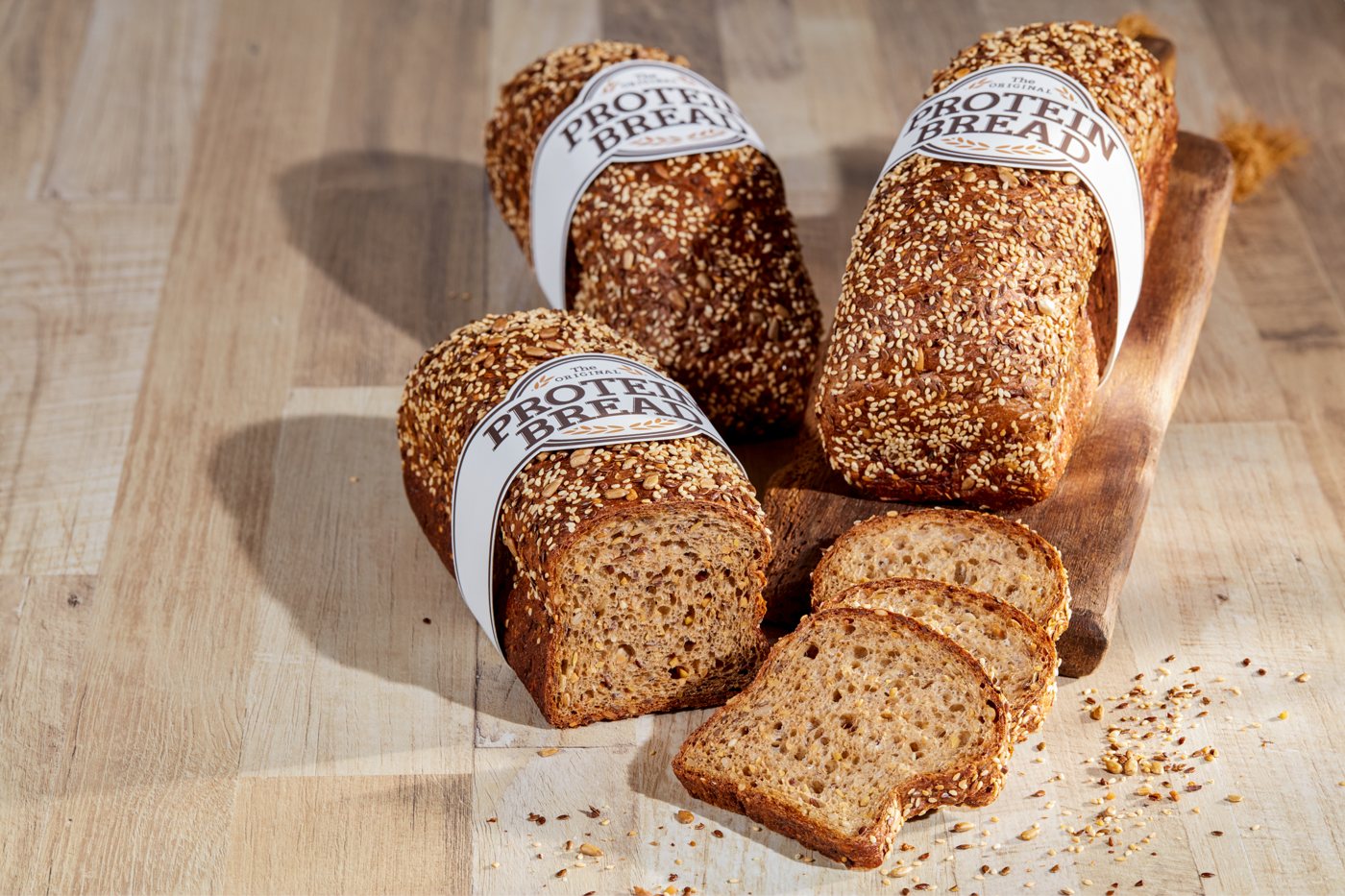
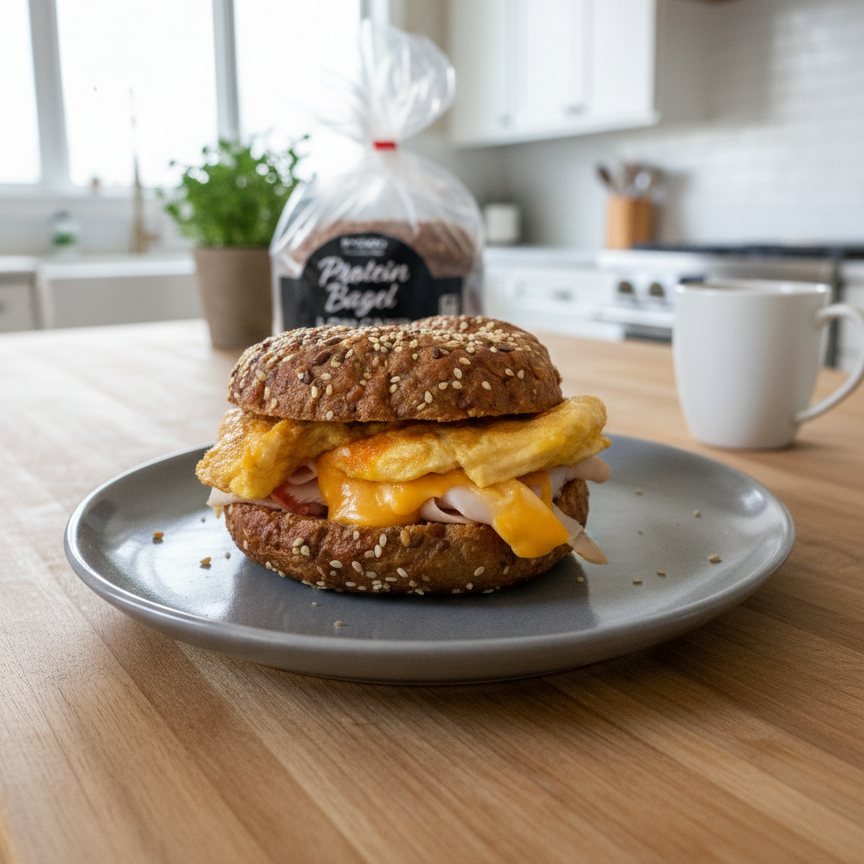
- Breakfast: two slices of The Original Protein Bread (62 g) provide 17 g of protein. Add an egg and you are over 20 g.
- Lunch: a Low Carb Wrap provides 7.2 g of protein per tortilla. Fill it with chicken, tuna or pulses.
- Afternoon snack: a Protein Chocolate Muffin, with 20% protein.
- Dinner: a homemade pizza with our Protein Pizza Mix.
Animal and plant protein
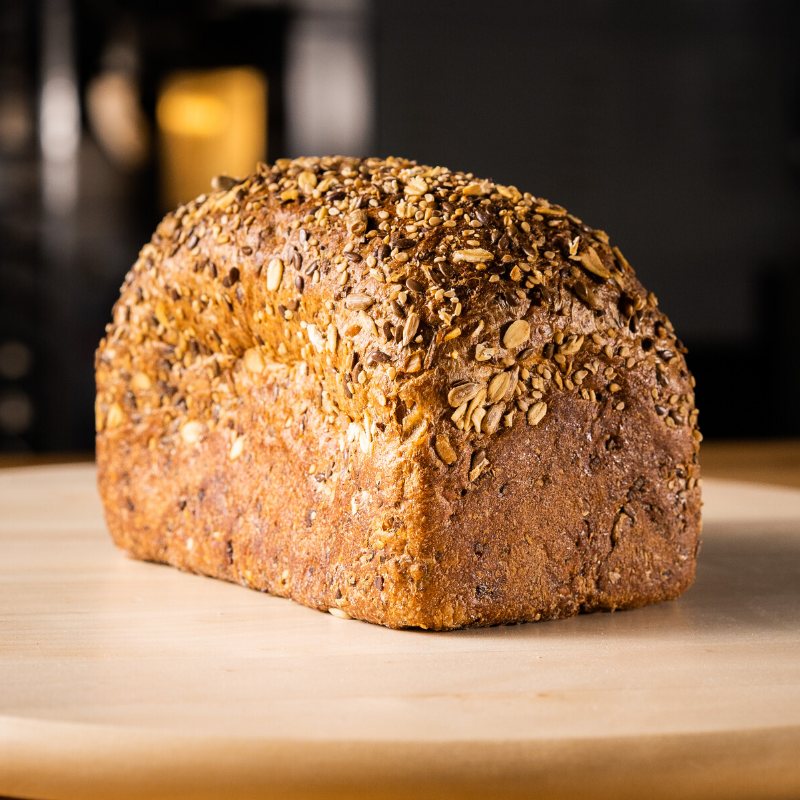
Both have a place in a balanced diet. It is increasingly common to combine them or to enrich everyday foods with soya, pea or wheat protein, as we do in our breads. Bread, which traditionally provides mainly carbohydrates, can thus become a good source of protein while still being bread.
Protein contributes to the maintenance and growth of muscle mass, as part of a varied and balanced diet and a healthy lifestyle.