
If there is one nutrient most Europeans do not get enough of, it is fibre. The European Food Safety Authority (EFSA) recommends that adults eat at least 25 g of fibre a day. However, average intake in Europe is around 18-24 g for men and 16-20 g for women.
Two types of fibre, two roles
- Soluble fibre: found in oats, pulses, apples and flaxseed. It forms a kind of gel in the gut that slows the absorption of sugars.
- Insoluble fibre: found in bran, wholegrains and the skin of fruit and vegetables. It adds bulk and supports regular bowel movements.
Fibre also increases the feeling of fullness, so fibre-rich meals help you arrive at the next one less hungry.
Why we fall short
We eat more refined flour, and refining removes precisely the part of the grain where fibre is concentrated: the bran and the germ. The good news is that you do not need to eat more, just choose better.
Easy ways to add fibre
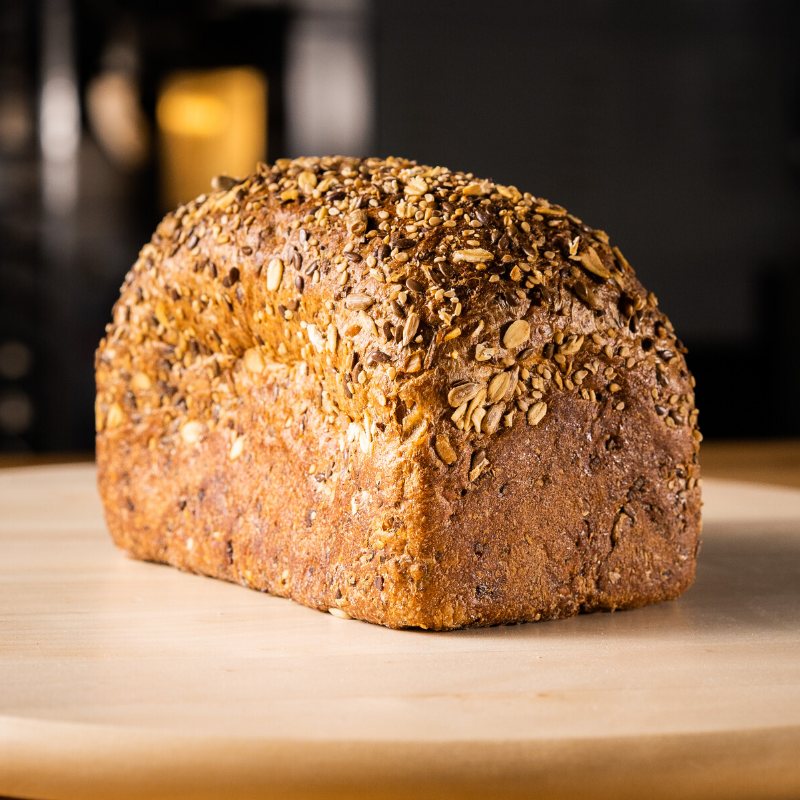
- Swap white bread for a seeded wholemeal bread.
- Eat pulses two or three times a week.
- Add seeds to salads, yoghurts and soups.
- Eat whole fruit rather than drinking juice.
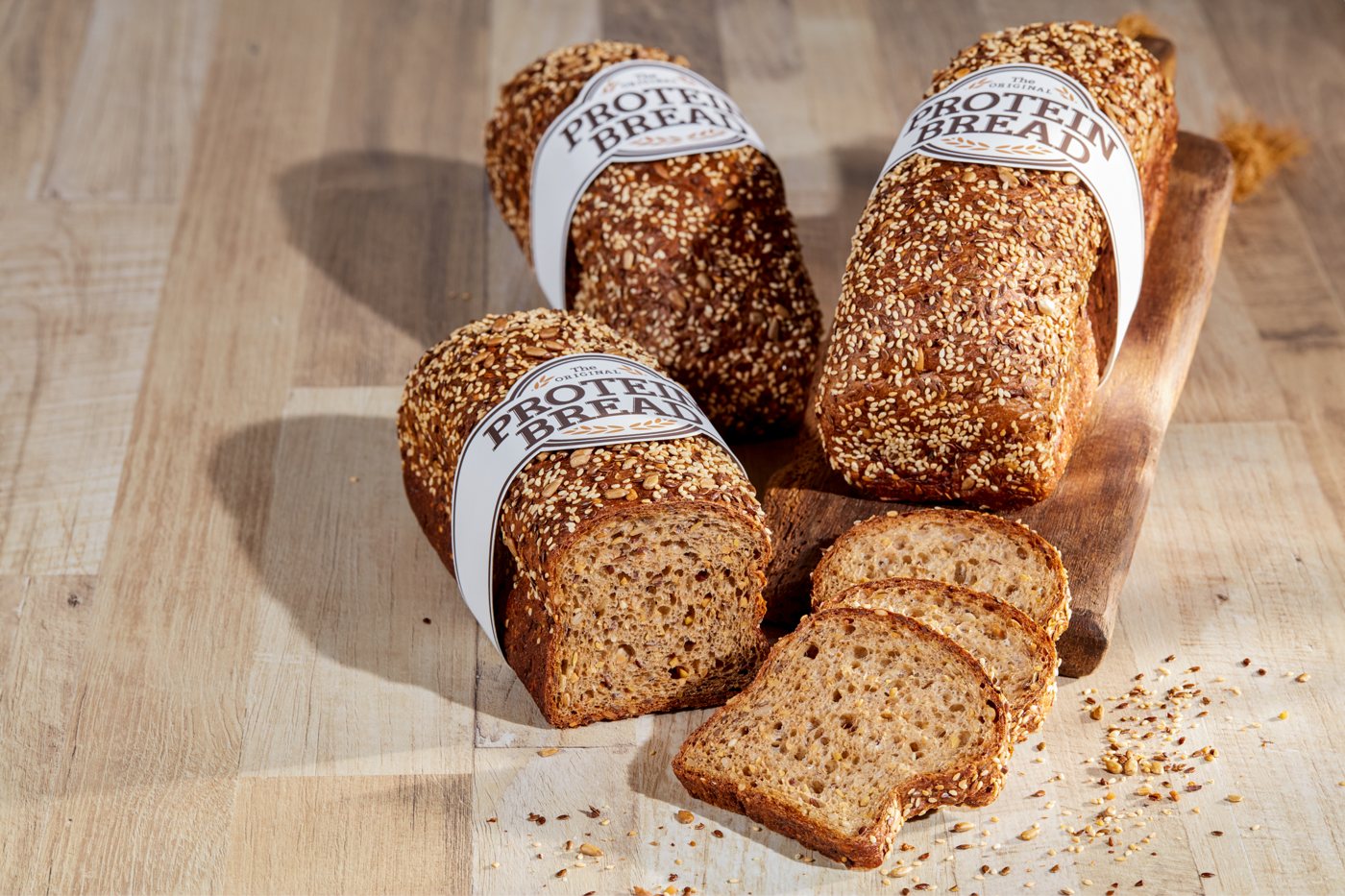
The Original Protein Bread contains 15 g of fibre per 100 g: two slices provide about 9 g, more than a third of the daily recommendation. Our bread, roll, sandwich loaf and pizza mixes all exceed 13 g of fibre per 100 g of finished product.